
Adding Character to a Rented Living Room
Start With the Rules — and a Quick Inventory
Before you buy a single cushion, dig out your tenancy agreement and check the decorating clause. Most standard assured shorthold tenancies allow picture hooks and minor changes provided you make good at the end, but some ask for written permission first. A quick email to your letting agent costs nothing and protects your deposit. If you are unsure, ask specifically about adhesive products, as these are the ones landlords tend to be cautious about.
Next, work out what you are sticking things to. Removable wallpaper and damage-free adhesive strips perform brilliantly on smooth, sealed, painted plaster — and badly on fresh emulsion, textured wallpaper, dusty brick or bare plasterboard. Press a small test patch behind the sofa for a week before committing. Take photos of every wall before you start, keep receipts, and buy a tester pot of the existing paint colour so you can touch up in five minutes on move-out day.
Lighting Does More Heavy Lifting Than Anything Else
A single overhead bulb in the centre of the ceiling flattens a room and makes everything look temporary. Lighting is the fastest, most reversible way to add character, so build it in layers.
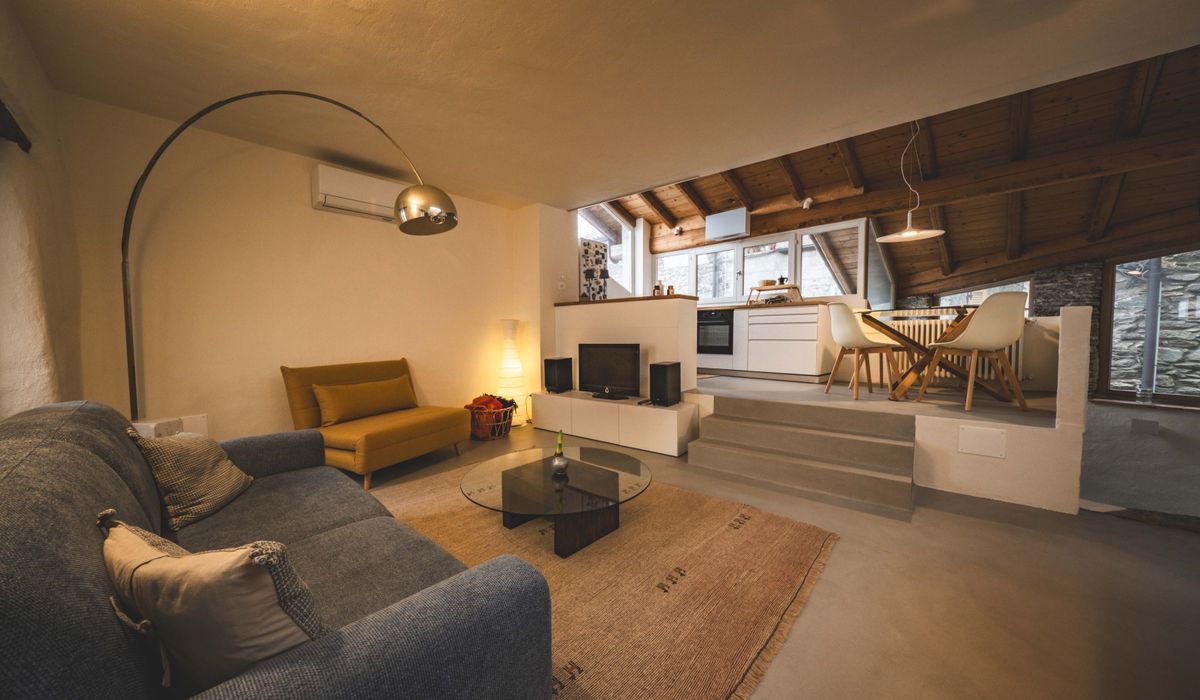
- Ambient: a large floor lamp in the darkest corner, or an arc lamp angled over the sofa, replaces the big light entirely.
- Task: a table lamp beside an armchair, ideally at eye level when you are sitting down.
- Accent: plug-in wall lights either side of a chimney breast, or a slim uplighter behind a plant to wash light up the wall.
Choose warm white bulbs around 2700K and keep lamp bulbs between 400 and 600 lumens — bright enough to read by, soft enough to flatter. Swapping a tired rented lampshade for a larger linen drum or a pleated fabric shade transforms a room in seconds and takes up no storage space. Plug-in dimmer adapters and smart bulbs let you control the mood without touching the wiring.
Walls Without a Paintbrush
Removable, peel-and-stick wallpaper is now genuinely good, and a single feature wall behind the sofa is usually plenty. Apply it to a smooth, well-cured painted surface, work from the top down, and smooth it with a felt squeegee as you go to avoid trapped air. Avoid freshly painted walls — give them at least thirty days — and never apply it over flaking or damp patches.
Other options worth knowing about:
- Fabric panels: a length of linen or ticking stretched over a wooden batten and hung from existing hooks gives you texture and colour at low cost.
- Washi tape: brilliant for creating a trim line, a border or a faux panelling effect along a dado rail.
- Freestanding pieces: a folding screen or a tall open shelving unit breaks up a long blank wall without a single fixing.
Art That Leaves No Trace
Damage-free adhesive strips have weight ratings printed on the packet — read them, and go one size up from what you think you need. Clean the wall first, press firmly for at least thirty seconds, and wait an hour before hanging. Remove them by pulling the tab slowly downwards, parallel to the wall, never outwards.
If your flat has a picture rail, you have a gift: picture hooks and cord mean no holes in the plaster at all. Where there is no rail, a picture ledge screwed into two existing fixings, or simply leaned against the wall on a sideboard, does the job. Hang groups of odd numbers together, mix portrait and landscape sizes, and keep the centre of the arrangement at roughly 145–150cm from the floor so it sits at eye level.
Soften Everything With Textiles and Rugs
If you do one thing on a budget, buy a rug. It covers tired carpet, warms a cold floor and instantly makes a rented room look considered. For an average living room, aim for around 200 x 290cm so the front feet of your sofa sit on it, and add a rug gripper underneath to stop it creeping.
- Curtains: a tension rod inside the window recess, or an extendable pole with adhesive brackets, plus floor-length curtains hung as high and as wide as you can manage. Go for at least one and a half times the window width for proper folds.
- Cushions: mix two sizes, around 45cm and 55cm, in odd numbers, and combine textures — bouclé, velvet, washed linen — rather than matching prints.
- Throws: drape one over the arm of a worn sofa to hide damage and add colour in one move.
Finishing Touches and the Reversal Box
Small swaps carry a surprising amount of personality. Cabinet and wardrobe handles unscrew in minutes; keep the originals in a labelled freezer bag so you can put them back. Group a tray of books, a candle and a ceramic bowl on a side table, put a plant on a stand so it sits above the sofa line, and use scent — a diffuser or a good candle — to make the room feel like yours.
Finally, keep a reversal box under the bed: original handles, spare adhesive strips, leftover wallpaper, the tester pot of paint, and a note of anything you changed. A rented home does not have to look temporary. Layer the lighting, cover the walls with something removable, hang art kindly, and you will walk in every evening to a room that feels properly lived in — and still get your deposit back.


Period homes often have awkward alcoves and high ceilings. Find storage solutions that suit small bedrooms while preserving original features and character.
Layering bedding adds warmth and visual interest to a bed. This guide explains how to combine sheets, throws and cushions for a comfortable finish.
Small Victorian terraces often have compact rooms with plenty of charm. Discover layout, storage and decorating ideas that make every square metre count.
Compact hallways can become practical and welcoming with slim furniture and clever storage. These ideas help you maximise space without blocking movement.