
How to Arrange Furniture in a Narrow Living Room
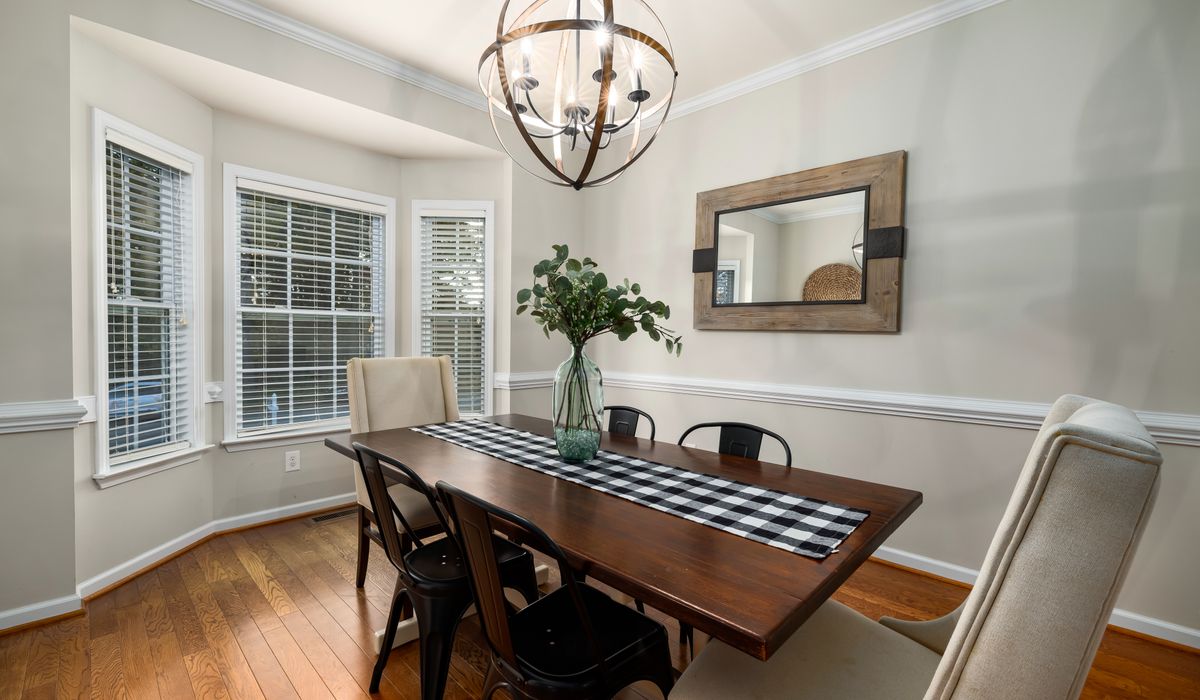
Start With the Room's Real Dimensions, Not Its Furniture
Before you move a single sofa, measure the room properly. Note the length and width, then mark the narrowest point — often the gap between a chimney breast and the opposite wall. A living room that measures 2.7 metres across will behave very differently from one at 3.4 metres, even if both look "narrow" on a floor plan.
Next, identify your fixed points. These are the things you cannot move: radiators, windows, doors, a chimney breast, a gas fire, the television aerial point. Sketch them on paper or use masking tape on the floor to map out the footprint of your main pieces. Tape is wonderfully unforgiving — you will quickly see whether a three-seater sofa leaves a walkway you can actually use.
As a rule of thumb, leave at least 60cm of clear floor for a main route through the room, and 45cm between a sofa and a coffee table. Anything tighter will feel like an obstacle course rather than a living space.
Work With the Long Wall, Not Against It
The instinct in a narrow room is to push everything against the walls to maximise floor space. Resist it. If you line both long walls with furniture, you create a corridor with nowhere to sit comfortably and nothing to look at except the opposite sofa.
Instead, anchor your main seating along one long wall and leave the opposite wall visually lighter. A slim sofa, a low console table or a pair of shallow armchairs will keep the room feeling open while still giving you somewhere to perch.
- Choose sofas with a depth of 80–90cm rather than the deep, slouchy 100cm-plus models.
- Look for legs rather than a solid plinth — visible floor beneath furniture makes a narrow room read as wider.
- Keep armrests slim. Chunky rolled arms can add 20cm to each end of a sofa for no seating benefit.
- Swap a deep coffee table for a narrow one, or use two small nesting tables that can be tucked away.
Create Two Zones Instead of One Long Corridor
Long, thin rooms often feel like a waiting area at a train station: everything in a line, nothing to draw you in. The fix is to break the length into two distinct zones — usually a seating area and a secondary pocket for reading, a desk or a dining nook.
Place your main sofa and coffee table roughly two-thirds of the way along the room, closest to the focal point. Then use the remaining third for something with a different job. A small round table with two chairs near the window, or a slim desk in an alcove, gives the room a purpose at both ends and stops the eye from racing down the full length.
Rugs are your best tool here. One large rug under the main seating group will visually bind that zone together. If you use a second rug for the far end, leave a clear strip of bare floor between them — that gap tells the eye these are two separate spaces, not one over-stretched one.
Choose a Focal Point and Let It Do the Work
Every well-arranged living room has somewhere for the eye to land. In a narrow space, that focal point matters even more, because it gives the room a sense of direction and stops it feeling like a passage.
If you have a fireplace or chimney breast, that is your natural anchor. Angle seating towards it rather than squaring everything off against the walls. A sofa placed at a slight diagonal, with a chair opposite, creates a sociable arrangement that softens the hard lines of a rectangular room.
If there is no fireplace, the window is usually the next best option — especially if it looks onto greenery. Failing that, create your own focal point with a gallery wall, a large piece of art, or a media unit with the television set at a comfortable viewing height. Just avoid placing the television high above a fireplace in a narrow room; the upward tilt will strain necks and pull the whole scheme off balance.
Keep Sightlines Clear and Lighting Layered
Walk into the room from the doorway. What do you see first? In a narrow space, you want a clear sightline to the far window or the focal wall, not the back of a sofa. If your sofa blocks the view, try moving it to the side wall or turning it to face the chimney breast instead.
Lighting will finish the job. A single ceiling pendant in the middle of a long room leaves both ends dim and gloomy. Layer instead:
- A floor lamp in the far corner to pull light down the length of the room.
- A table lamp on a slim console or side table for warm, low-level glow.
- Wall lights either side of the focal point to widen the wall visually.
- A dimmable main light so the room can shift from bright and practical to soft and evening-friendly.
Mirrors help too. A large mirror on a short end wall bounces light back into the room and gives the illusion of depth — the one place in a narrow room where a big, frameless design genuinely earns its keep.
Small Adjustments That Make a Real Difference
Once the bones of the layout are right, the details will settle the room. Keep the palette calm and tonal across walls, floor and large furniture; contrast will chop a narrow space into segments. Choose curtains that hang from near the ceiling to the floor, and extend the pole beyond the window frame so the glass feels wider. Float furniture slightly away from the walls where you can — even 10cm of breathing space stops a room feeling cramped.
Above all, be willing to shuffle things around for a week before you commit. Live with the arrangement, notice where you naturally walk and where you naturally sit, then adjust. A narrow living room is not a compromise — it is simply a room that rewards a little more thought about where things go.


A calm bedroom starts with a restrained colour palette and soft textures. Explore gentle greens, warm whites and muted pinks for a restful atmosphere.
Period homes often have awkward alcoves and high ceilings. Find storage solutions that suit small bedrooms while preserving original features and character.
Layering bedding adds warmth and visual interest to a bed. This guide explains how to combine sheets, throws and cushions for a comfortable finish.
Small Victorian terraces often have compact rooms with plenty of charm. Discover layout, storage and decorating ideas that make every square metre count.