
Create a Cosy Reading Nook in a Bay Window
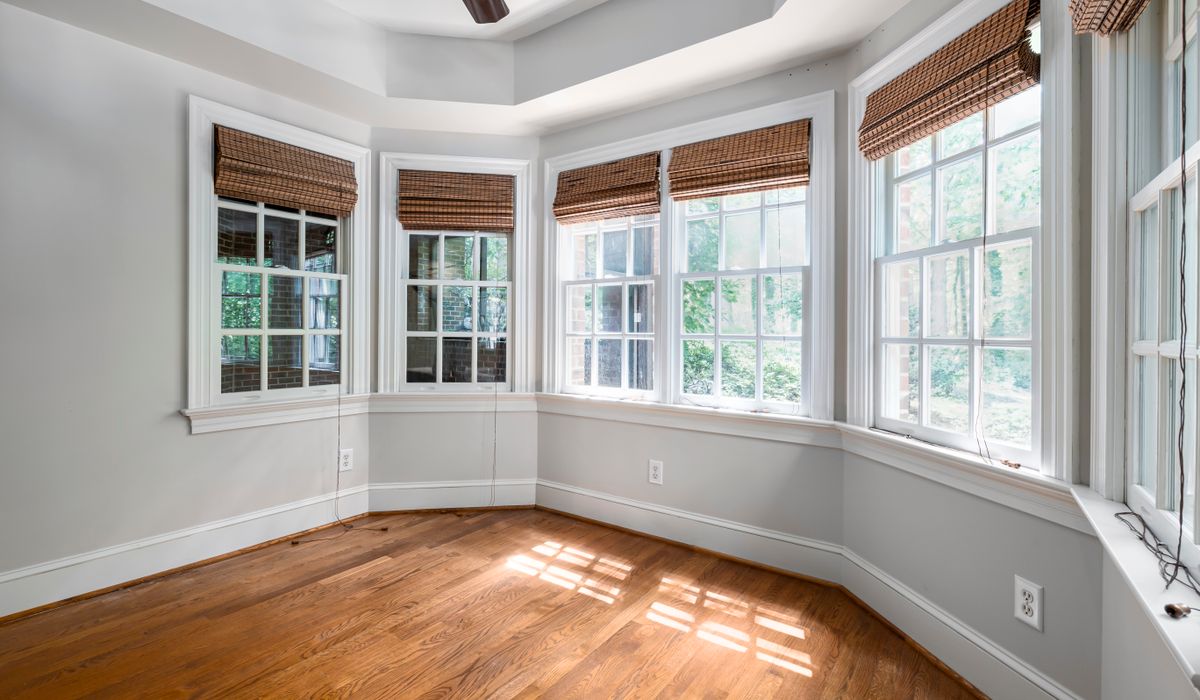
Why a Bay Window Makes the Perfect Reading Spot
There is something quietly magical about a bay window. Those angled panes draw in light from three directions at once, turning an otherwise ordinary corner into a bright, sheltered pocket that feels a world away from the rest of the house. In Victorian and Edwardian terraces across the UK, these windows were designed to catch the low northern sun and give a room a sense of generosity — and they still do exactly that today.
What makes a bay so well suited to reading is the combination of natural light and depth. You get illumination over your shoulder rather than in your eyes, and the extra floor space created by the recess gives you room to tuck in a seat without stealing anything from the wider room. Add a cushion or two, a small table for your mug, and you have a retreat that costs far less than an extension and delivers far more than a sofa in the middle of the lounge.
Whether your bay is a deep square box, a gentle canted curve or a shallow half-hexagon, the principles below will help you turn it into the most-used seat in the house.
Start With the Seat: Benches, Built-Ins and Squishy Chairs
The seat is the anchor of the whole scheme, so decide on it before you buy anything else. In most UK bays, a built-in bench is the most efficient choice. A carpenter can run a simple MDF or pine frame along the length of the recess, usually around 450mm deep and 450mm high — a comfortable perch height for most adults — and top it with a hinged lid so the void underneath becomes blanket and board-game storage.
If you would rather not commit to joinery, a few alternatives work beautifully:
- A window seat cushion cut to fit a ready-made bench or a run of low IKEA-style units pushed together.
- A slim armchair angled towards the light, ideally no wider than the bay opening so it doesn't block the walkway.
- A deep wingback if your bay is generous and you want to curl up with your legs tucked to one side.
- A rocking chair or chaise for a more relaxed, less structured feel in a bedroom or snug.
Aim for a seat depth of at least 500mm if you plan to sit sideways with your feet up, and think about whether you want a backrest — a bench against bare glass can feel exposed, so a low upholstered panel or a stack of firm cushions at the back makes a real difference.
Cushions, Textiles and the Art of Layering
Comfort in a reading nook comes from layering, and textiles are where you can be as playful as you like. Start with a firm base cushion in a dense foam wrapped in wadding — this is what stops you feeling the wooden frame beneath you. Over that, build up with a mix of sizes and textures: a couple of large square cushions at the back for support, a lumbar cushion for your lower spine, and one or two smaller ones you can move aside when you sit down.
For colour, take your cue from the light. North-facing bays tend to be cool, so warm tones — mustard, rust, terracotta, oatmeal — will soften the feel. South or west-facing bays flood with golden light, so cooler linens, soft greys and faded blues stay restful rather than glaring. A throw or small blanket draped over one end of the bench signals that this is a place for lingering, and it's genuinely useful from October onwards.
Don't forget the floor. A wool runner or a small rug in front of the seat warms up bare boards and makes the whole alcove feel like a defined room within a room.
Lighting and a Small Side Table
A bay gives you daylight, but an evening read needs its own light. The trick is to avoid anything that reflects off the glass or throws glare onto the page. A wall-mounted reading light fitted to the side of the recess, or a slim floor lamp tucked into the corner, gives you directional light without cluttering the seat.
For the side table, think small and stable. A round occasional table about 40cm across is ideal — big enough for a mug, a plate and your book, small enough not to crowd the bench. Alternatives that work well in tight bays include:
- A nest of tables so you can pull one out only when needed.
- A wall-hung shelf or a folding ledge fixed at seat height.
- A slim console behind the bench if your bay is deep enough to allow it.
- A sturdy stack of oversized books topped with a tray, if floor space is tight.
Keep a coaster to hand. Nothing ruins a good armchair quite like a ring on the woodwork.
Practical Considerations for UK Homes
Before you commit to a built-in, check a few things. Older bays often suffer from condensation and draughts, so secondary glazing or good-quality curtains will make the seat usable through winter. Full-length curtains hung on a track that follows the bay are the classic solution; a Roman blind inside the recess is tidier if space is tight.
Radiators are the other common obstacle. If yours sits under the window, a bench built over it will block the heat — either relocate the radiator or leave a ventilated gap and accept that the seat will be cooler. And if the bay is a main thoroughfare between two rooms, keep the footprint shallow so it never becomes something to squeeze past.
Finally, remember that the best reading nooks are personal. Add a small shelf for the books you're actually reading, a candle or a plant on the sill, and a hook for your glasses. Do that, and the corner of your home that used to hold nothing but light will quietly become the one you never want to leave.


Narrow living rooms can still feel balanced and sociable. These layout ideas cover sofa placement, walkways and focal points for long, thin spaces.
Rented homes often limit major changes, but lighting, artwork and removable wallpaper can add personality. Learn practical ways to make the space your own.
A calm bedroom starts with a restrained colour palette and soft textures. Explore gentle greens, warm whites and muted pinks for a restful atmosphere.
Period homes often have awkward alcoves and high ceilings. Find storage solutions that suit small bedrooms while preserving original features and character.