
The Psychology of the Spin: Why We Can't Stop Playing Slots
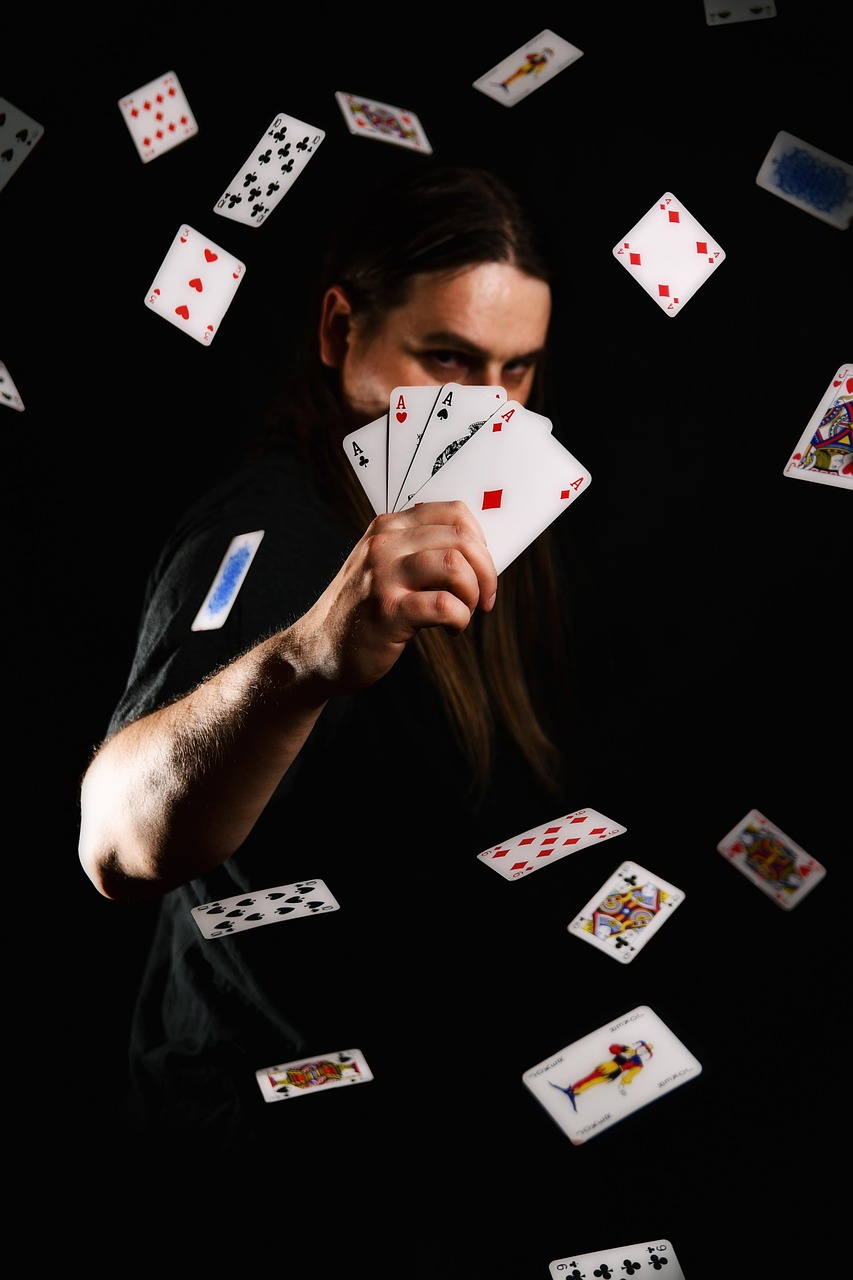
You've been there. It's 2 AM, your bankroll is down to its last few credits, and you keep telling yourself "just one more spin." The reels slow down, the anticipation builds, and for a split second, you genuinely believe the next spin could change everything. It rarely does. So why do we keep coming back? The answer isn't just about money — it's a fascinating blend of neuroscience, game design, and human psychology that the iGaming industry understands better than almost any other sector on the planet.
Whether you're a casual slots player, a poker grinder, or someone who enjoys a weekend sports bet, understanding the mechanics behind your own behavior is one of the most valuable tools you can have. It won't kill the fun, but it will make you a sharper, more disciplined player.
Variable Rewards: The Same Loop That Makes Gambling Addictive
In the 1950s, psychologist B.F. Skinner discovered something remarkable. When he gave pigeons food every time they pressed a lever, they pressed it casually. But when he rewarded them randomly — sometimes after one press, sometimes after twenty — the pigeons became obsessed, pressing the lever hundreds of times per hour. This is called a variable ratio reinforcement schedule, and it's the fundamental engine behind every slot machine ever built.
Modern video slots are engineered with this principle at their core. The unpredictability of when a win will land creates a dopamine response that's actually stronger than a guaranteed reward. Your brain releases dopamine not just when you win, but in anticipation of a possible win. That's why the spinning reels, the near-misses, and the bonus round triggers feel so electric — you're chasing a chemical hit that arrives on an unpredictable schedule.
Book of Dead, Starburst, Gates of Olympus — mechanically, they're all Skinner boxes with better graphics. Understanding this doesn't make you immune, but it does help you recognize when anticipation is driving your decisions rather than logic. A good place to continue is lô đề online.
Near-Misses and the Illusion of Control
Here's a stat that surprises people: on a typical three-reel slot, near-miss outcomes (where two jackpot symbols align and the third lands just above or below the payline) can occur up to five times more often than genuine wins. That's not an accident. Game designers program near-misses deliberately because they trigger the same neural pathways as actual wins while paying out nothing.
The same illusion of control shows up across other iGaming categories too:
- Slot features: "Skill stop" buttons and bonus pick-me games give players a sense of agency, even though outcomes are predetermined.
- Poker: Players vastly overestimate how much their decisions matter compared to variance in short sessions.
- Sports betting: Choosing your own accumulator legs feels skillful, but the bookmaker's margin is baked into every selection.
- Live dealer games: Watching a real human shuffle cards makes results feel more "earned" — they aren't.
None of this means you can't win. It means randomness is doing the heavy lifting, and your sense of control is largely a psychological side effect.
Why Poker Players Think Differently (And Should)
Poker is the one discipline in iGaming where long-term skill genuinely beats luck. But even here, psychology separates the winners from the losers. The best players are ruthless about variance — they understand that losing ten buy-ins over 20,000 hands can happen to a winning player and means very little about their ability.
What separates pros from amateurs in poker isn't raw intelligence. It's emotional regulation. Amateurs tilt after a bad beat and start playing 60% of hands. Pros recognize tilt, take a break, and come back with the same disciplined strategy they had an hour earlier. According to tracking data from major HUDs like PokerTracker, the top 5% of cash game players sustain win rates of 5-10 big blinds per 100 hands. The bottom 50% lose steadily, year after year.
If you play poker, the single highest-value improvement isn't a new range chart — it's a stop-loss rule. Decide before you sit down: "If I drop three buy-ins, I'm done for the session." Then actually honor it.
The RTP Illusion: What Casinos Won't Advertise Loudly
Every slot has a Return to Player percentage. A 96% RTP slot returns 96 cents for every dollar wagered — over millions of spins. That last part is where players get confused. In a two-hour session, your personal RTP might be 400% (if you hit a big bonus) or 20% (if you don't). The house edge only manifests over an enormous sample size.
This matters because it exposes a hard truth: no strategy changes the math of a slot. Betting patterns, hot and cold streaks, and "timing" the machine are all fictions. What you can control is:
- Which game you play. A 96.5% RTP slot costs you almost half as much long-term as a 92% one.
- Your bet size. Always bet proportionally to your bankroll — 1% per spin is a reasonable rule.
- Session length. The longer you play, the more the house edge grinds you down.
- Bonus exploitation. Free spins and deposit matches with low wagering requirements genuinely improve EV.
Look for RTP data on sites like Slotcatalog or the developer's own info screens. If a casino hides RTP behind a login, that's a yellow flag worth noting.
The Social and Community Side of iGaming
One of the most underestimated drivers of engagement is community. Twitch and Kick streamers playing slots to tens of thousands of viewers, Discord servers sharing poker hand histories, and Twitter betting syndicates — these have reshaped how people experience gambling. Watching someone else win big triggers vicarious dopamine just like a personal win, and it normalizes behavior that would otherwise feel antisocial.
This isn't all negative. Community can improve play. Poker forums like TwoPlusTwo and poker subreddits give beginners genuine strategic feedback they'd never get alone. Streamers with responsible gambling messaging (yes, some exist) can be a force for harm reduction. The key is choosing your company the same way you choose your games: carefully, and with an eye on what's actually being modeled.
Playing Smart Without Killing the Fun
The iGaming world is engineered to be enjoyable — that's its job. The reels spin, the cards deal, the odds shift. There's nothing wrong with enjoying that if you go in with clear eyes about what's happening under the surface. Skinner's pigeons didn't know what they were up against. You do.
Set strict limits before you play, never chase losses, treat winnings as winnings rather than "free money," and step away the moment the session stops being fun. The players who last in this space — whether they're slot spinners or poker sharks — aren't the ones with the best hunches. They're the ones who understand the psychology well enough to not be played by it. The house edge is real, but so is your ability to walk away at the right time. That's the only strategy that actually works over the long run.


A bay window offers natural light and depth. Create a comfortable reading spot with a built-in seat, cushions and a small side table.
Neutral living rooms feel richer when you mix wool, linen, jute and velvet. Discover how to combine textures without making the space feel busy.
Narrow living rooms can still feel balanced and sociable. These layout ideas cover sofa placement, walkways and focal points for long, thin spaces.
Rented homes often limit major changes, but lighting, artwork and removable wallpaper can add personality. Learn practical ways to make the space your own.